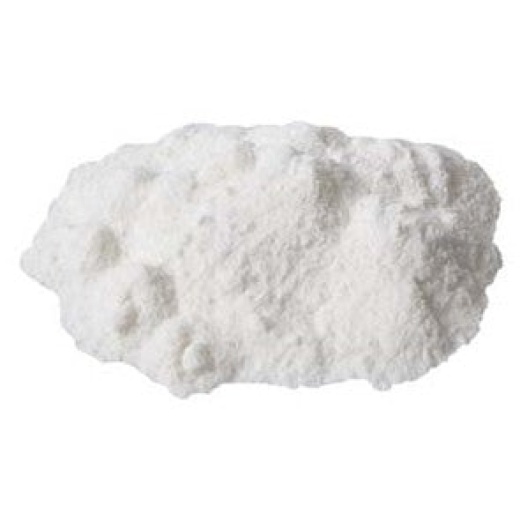
The Importance of Potassium Metabisulfite in Winemaking
Potassium Metabisulfite, commonly referred to as 'SO2', 'sulfites', 'meta', or 'meta-bi', is an essential component in winemaking. It plays a crucial role in controlling spoilage bacteria and yeast, inhibiting enzymatic browning, and preserving wine complexities. At the crush, sulfites are used to create a clean slate for cultured yeast to dominate the fermentation process. This ensures a successful fermentation and produces a high-quality wine.
Understanding the Benefits of Potassium Metabisulfite
One of the primary benefits of using Potassium Metabisulfite is its ability to inhibit the growth of unwanted organisms that can spoil the wine. By adding the correct amount of sulfites, winemakers can create an environment that favors the growth of cultured yeast. This results in a fermentation process that is more predictable and produces a wine with desirable characteristics.
Managing Sulfite Levels in Winemaking
It's essential to manage sulfite levels correctly to ensure the best possible results. The pH of the wine determines the amount of sulfites needed, and winemakers must take this into consideration when adding Potassium Metabisulfite to their must. Regularly monitoring and adjusting sulfite levels is critical to preventing spoilage and ensuring a successful fermentation.
Using Potassium Metabisulfite in Different Winemaking Scenarios
Potassium Metabisulfite can be used in various winemaking scenarios, including during storage and in the bottle. By adding the correct amount of sulfites, winemakers can protect their wine from spoilage organisms and oxygen. This ensures that the wine remains fresh and flavorful for a longer period.
Tips for Using Potassium Metabisulfite Effectively
To get the most out of Potassium Metabisulfite, it's essential to use fresh supplies. Old Metabisulfite loses potency over time, which can affect the quality of the wine. Replace your supplies annually to ensure consistent results. Additionally, use the correct ratio of Potassium Metabisulfite to must to achieve the desired sulfite levels.